Blog / Boundaries
Choosing a front boundary fence
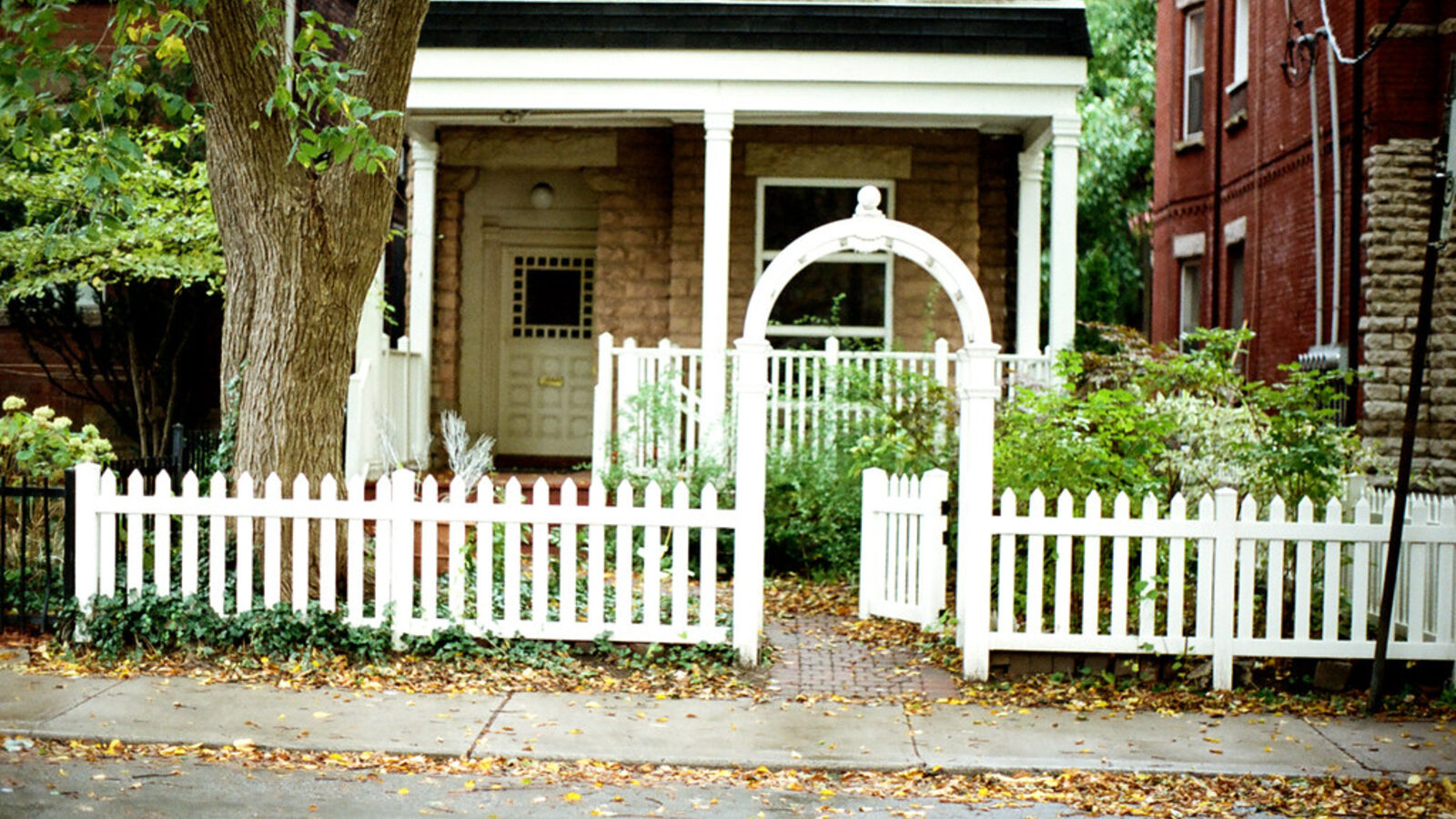
The front fence does more jobs than any other part of the boundary. It marks the line, keeps kids and dogs in, frames the house from the street and sets the tone for visitors before they reach the door. Thinking through what you actually need from it makes the choice much simpler.
Start with what it must do
Privacy or openness is the big fork. A full-height paling front gives a sheltered front garden but closes the house off from the street; a lower fence or picket keeps things open and friendly while still defining the boundary. Dogs change the maths — containment matters more than looks, and gaps under gates undo everything. Small children point the same way: a fence a toddler can't slip through, with a gate latch they can't reach.
Match the street, then the house
Fences read as part of the streetscape. A street of low open fronts makes one fortress fence stick out; a street of tall boundaries makes an open one feel exposed. Matching the prevailing height and stepping it with the contour keeps things neighbourly. Then match the house: the fence should echo the dwelling's character rather than fight it.
Don't forget the gate
The pedestrian gate is the most-used moving part of any property. Hang it well, latch it properly and set the opening where feet naturally go — a gate in the wrong spot grows a worn path across the lawn within a season. Wider vehicle access needs its own thinking about swing, slope and where the gate opens onto the footpath.
Talking it over helps: phone 03 349 0227 and describe the section. A quick site look beats weeks of wondering, and there is no obligation in asking.
Call 03 349 0227
Talk through your job — phone for a straight answer on repair or replacement.
Call now